


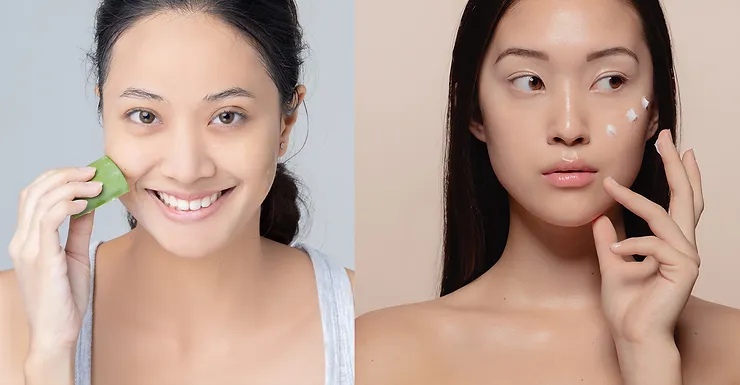
Since ancient times, when herbal skin care was likely the only option, skin care has been a focus of discussion and practice. But there has been a significant change in skincare. Synthetic/chemical-based skin care regimens have replaced herbal skin care regimens. The herbal skin care recipes formerly widely utilized are no longer as popular (and are even unknown to a considerable portion of the public). Due to our laziness (or perhaps just the fast speed of our life) and the commercialization of skincare, herbal skin care has likely given way to synthetic skin care. Even natural skin care products have found a market. These commercial herbal skin care products must be combined with preservatives to extend their shelf life, reducing their effectiveness compared to freshly created versions made at home. But things are quickly shifting, and more people are following natural and herbal skin care regimens. However, no one wants to produce them themselves. Thus, the need for commercial herbal skin care products is growing.
1. What exactly are these natural skincare ingredients?

One of the best examples of a herbal skin care product is aloe vera, an aloe plant extract. Aloe vera that has just been extracted is a natural hydrator that aids in calming skin. Additionally, it assists with wound healing and sunburn relief. Many herbs are recognized to have purifying qualities. These cleaners include dandelion, chamomile, lime blossoms, and rosemary herbs. When coupled with other herbs, like tea, their herbal skin care benefits come into play. Another crucial component of herbal skin care is antiseptics. Herbs that are recognized to have antibacterial effects include lavender, marigold, thyme, and fennel. Both rose water and lavender water make effective toners.

In herbal skin care, tea is significant. Skin that UV rays have harmed is treated using tea extracts.
Another method of herbal skin care is oils made from plant extracts. Popular oils used in herbal skin care products include tea tree oil, lavender oil, borage oil, and primrose oil. Some fruit oils are used in shower gels (as a moisturizing blend), such as extracts from fruits like bananas, apples, and melons.
Herbal skin care remedies may include homeopathic treatments and aromatherapies. Herbal skin care treats skin conditions like eczema and psoriasis and provides essential skin nourishment. The main factor favoring natural skin care products over synthetic ones is that most don’t have any adverse side effects. Herbal skin care products can also be easily created at home, which adds to their appeal. The best option is, therefore, herbal skin care. However, this does not imply that you should stop using synthetic items. Some people will argue with their dermatologist if they recommend a synthetic product. It would help if you were prepared to use non-herbal, clinically proven skin care products for particular skin conditions.