


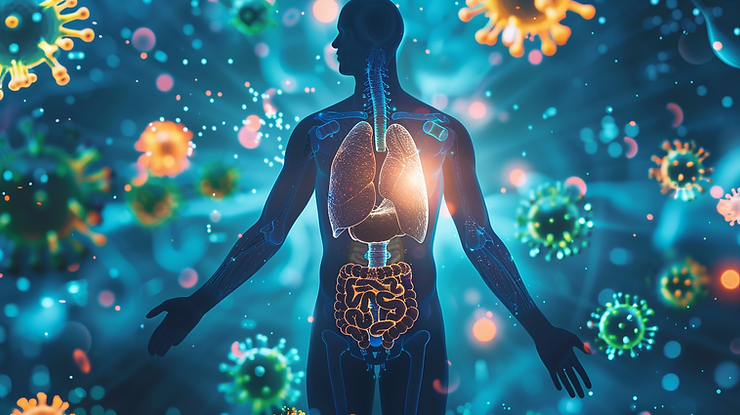
Welcome to the journey of understanding and nurturing your gut health, a cornerstone of overall well-being. In 2024, the spotlight on probiotics continues to shine brighter as we unravel their pivotal role in maintaining a balanced and healthy digestive system. Dive into the world of beneficial bacteria and discover how they can transform your health from the inside out. This comprehensive guide will explore the science, benefits, and practical applications of probiotics, empowering you to enhance your gut health and achieve optimal well-being. Let’s embark on this enlightening journey together, unlocking the secrets of probiotics for a healthier, happier you.
The Science of Probiotics
Understanding Probiotics
Probiotics are live microorganisms that, when consumed in adequate amounts, confer various health benefits. They are often referred to as “good” or “friendly” bacteria because they help maintain the natural balance of organisms in our intestines. Probiotics are found in fermented foods like yogurt and kefir, as well as dietary supplements. They play a key role in digestive health, immune function, and even mental well-being.
The Gut Microbiome
Our gut is home to trillions of bacteria, collectively known as the microbiome. This complex ecosystem is crucial for digesting food, absorbing nutrients, and protecting against harmful pathogens. A healthy gut microbiome is diverse and balanced, and probiotics can help maintain this balance by replenishing and supporting beneficial bacteria.
How Probiotics Work
Probiotics exert their beneficial effects in several ways. They can compete with harmful bacteria for space and nutrients, produce substances that inhibit pathogens, and strengthen the gut barrier to prevent harmful substances from entering the bloodstream. Additionally, probiotics can modulate the immune system, promoting a healthy response to potential threats.

Benefits of Probiotics
Digestive Health
Probiotics have gained fame for their role in easing common digestive discomforts like bloating, constipation, and diarrhea. These beneficial bacteria help restore the natural balance of gut flora, which is essential for a healthy digestive system. They are especially helpful in managing gastrointestinal conditions such as irritable bowel syndrome (IBS) and inflammatory bowel disease (IBD), providing relief from symptoms and improving overall gut health. By maintaining a healthy gut environment, probiotics can enhance nutrient absorption and support efficient digestion.
Immune Support
The health of our gut is intricately linked to the strength of our immune system. A balanced gut microbiome, supported by probiotics, acts as a protective barrier against harmful pathogens and plays a crucial role in immune function. Regular consumption of probiotics has been shown to boost immune responses, reduce the risk of infections, and may even lessen the severity of allergies. By promoting a healthy gut, probiotics contribute to a more resilient immune system.
Mental Well-being
The connection between the gut and the brain, known as the gut-brain axis, highlights the impact of gut health on mental well-being. Probiotics are emerging as a potential natural remedy for mental health issues, with research suggesting their role in reducing symptoms of anxiety, depression, and stress. The beneficial bacteria in probiotics can produce neurotransmitters like serotonin, which is linked to mood regulation. By supporting gut health, probiotics may offer a promising avenue for enhancing mental well-being and reducing stress-related disorders.

Choosing the Right Probiotic
Strain Specificity
The effectiveness of probiotics depends on the specific strains they contain, as different strains offer distinct health benefits. For instance, Lactobacillus rhamnosus GG is known for its positive effects on diarrhea, while Bifidobacterium lactis may support immune function. It’s essential to choose a probiotic supplement that contains strains backed by scientific research and targeted towards your particular health concerns. Always look for supplements that clearly list the strains and their potential benefits on the label.
Potency and Quality
The potency of a probiotic supplement is measured in colony-forming units (CFU), which indicate the number of live and active microorganisms in each dose. A higher CFU count doesn’t always mean a better product, but it’s crucial to choose a supplement with an adequate number of CFUs to ensure its effectiveness. Additionally, quality is paramount when selecting a probiotic. Opt for products from reputable manufacturers that undergo rigorous testing for purity, potency, and safety to guarantee you’re getting a high-quality supplement.
Compatibility
When choosing a probiotic supplement, it’s important to consider your dietary preferences and restrictions. Some probiotics are derived from dairy, which may not be suitable for individuals with lactose intolerance or those following a vegan diet. Look for allergen-free options if you have specific dietary needs, such as gluten-free, soy-free, or non-GMO products. Additionally, consider the form of the supplement, whether it’s a capsule, powder, or liquid, and choose one that fits conveniently into your daily routine.

Incorporating Probiotics into Your Diet
Supplementation
One of the most straightforward ways to increase your intake of probiotics is through supplementation. Products like the Probiotic 40 Billion CFU offer a concentrated dose of beneficial bacteria, making it easy to ensure you’re getting enough probiotics for optimal gut health. When selecting a supplement, consider factors such as the number of strains, CFU count, and any additional ingredients that may support your overall health goals. It’s also advisable to consult with a healthcare professional before starting any new supplement regimen.
Fermented Foods
Incorporating fermented foods into your diet is a delicious way to naturally boost your probiotic intake. Foods like yogurt, kefir, sauerkraut, kimchi, and kombucha are rich in live cultures that can enhance the diversity of your gut microbiome. These foods not only provide a variety of probiotic strains but also offer other nutritional benefits, such as vitamins, minerals, and antioxidants. Aim to include a serving of fermented foods in your daily diet to support your digestive health and overall well-being.
Prebiotics
While probiotics are the beneficial bacteria themselves, prebiotics are the dietary fibers that feed these bacteria and help them thrive in your gut. Foods rich in prebiotics include onions, garlic, bananas, asparagus, and whole grains. By including both prebiotics and probiotics in your diet, you can create a symbiotic relationship that promotes a healthy gut environment. This combination is sometimes referred to as “synbiotics” and can be especially effective in supporting digestive health and overall wellness.e that the probiotic supplement you choose is safe and appropriate for your needs.

Probiotics and Overall Health
Weight Management
Emerging research suggests that probiotics may play a role in weight management and obesity prevention. Certain probiotic strains have been shown to influence appetite regulation, fat metabolism, and energy expenditure, potentially aiding in weight loss efforts. By modulating the gut microbiota, probiotics can impact the absorption of dietary fats and the production of hormones related to hunger and satiety. Incorporating probiotics into a balanced diet and healthy lifestyle may contribute to maintaining a healthy weight and reducing the risk of obesity-related health issues.
Skin Health
The benefits of probiotics extend beyond the gut to the skin. Studies have indicated that probiotics can help improve skin conditions such as eczema, acne, and rosacea by reducing inflammation and strengthening the skin’s barrier function. The gut-skin axis highlights the connection between a healthy gut microbiome and clear, radiant skin. By supporting gut health with probiotics, you may also promote a more youthful and vibrant complexion.
Chronic Disease Prevention
Regular consumption of probiotics has been associated with a reduced risk of several chronic diseases, including heart disease, type 2 diabetes, and certain cancers. Probiotics may help lower cholesterol levels, regulate blood sugar, and modulate immune responses, contributing to overall health and longevity. While probiotics are not a cure-all, incorporating them into a balanced diet and lifestyle can be a valuable part of a holistic approach to disease prevention and optimal health.
Conclusion
Embrace the power of probiotics for gut health and embark on a path to optimal well-being in 2024. By understanding the science behind these beneficial bacteria, choosing the right supplement, and incorporating them into your daily routine, you can unlock the door to a healthier, happier you. Remember, a healthy gut is the foundation of a healthy life, and with the right knowledge and tools, you can nurture your digestive system and enhance your overall health. So, take the first step towards a brighter, more vibrant future by incorporating probiotics into your wellness journey today.
SOURCES
Hill, C., et al. (2014). The International Scientific Association for Probiotics and Prebiotics Consensus Statement on the Scope and Appropriate Use of the Term Probiotic. Nature Reviews Gastroenterology & Hepatology, 11(8), 506-514.
Sanders, M.E., et al. (2019). Probiotics and Prebiotics in Intestinal Health and Disease: From Biology to the Clinic. Nature Reviews Gastroenterology & Hepatology, 16(10), 605-616.
Foster, J.A., & Neufeld, K.A.M. (2013). Gut–Brain Axis: How the Microbiome Influences Anxiety and Depression. Trends in Neurosciences, 36(5), 305-312.
Kechagia, M., et al. (2013). Health Benefits of Probiotics: A Review. ISRN Nutrition, 2013, 1-7.
Zhang, Y., et al. (2016). Can Probiotics Prevent or Improve Obesity? Nutrition in Clinical Practice, 31(4), 461-476.