


How do antioxidants work?
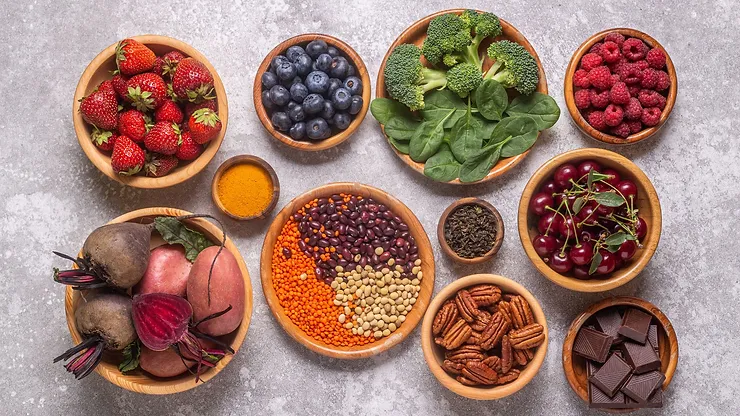
What foods must we consume to naturally combat free radicals?
Researchers have discovered that the body creates unstable oxygen molecules known as free radicals; each cell generates tens of thousands of them daily. In essence, a free radical is an atom that has an odd number of electrons in the outer ring. Free radicals indiscriminately take electrons from other atoms, turning those other atoms into secondary free radicals in the process. This chain reaction, which can result in significant biological damage, is caused by the fact that electrons have a very strong tendency to exist in a paired rather than an unpaired state. In a nutshell, this is horrible. There are numerous types of free radicals that we encounter every day, including pollution, radiation, cigarette smoke, and herbicides.
These free radicals are believed to be stabilized and neutralized by antioxidants.
particular foods naturally contain particular antioxidants, then?
We possess


Vegetable oils, almonds, green leafy vegetables, and fortified cereals all include the fat-soluble vitamin E. Wheat germ oil, almonds, sunflower seeds, sunflower oil, hazelnuts, peanuts, spinach, broccoli, kiwi, and mango are some of the foods with the greatest vitamin E concentrations. Vitamin E is an antioxidant that affects every cell’s metabolism. It prevents the breakdown of bodily tissues and guards against oxidation of vital fatty acids and vitamin A in the body cells.

Ascorbic acid, a water-soluble vitamin, is found in citrus fruits and juices, strawberries, guava, cantaloupe, kiwi, papaya, broccoli, spinach, and green peppers. It is crucial for the production of collagen, a protein that gives shape to blood vessels, bones, cartilage, and muscle. Additionally helping the body absorb iron, vitamin C supports healthy capillaries, bones, and teeth.

Vitamin A’s precursor, beta-carotene, is found in many foods. It can be found in grains, spinach, carrots, squash, broccoli, yams, liver, egg yolks, milk, butter, and melons, peaches, and broccoli.
Studies have been conducted to determine how well beta-carotene treats conditions like psoriasis, heart disease, cancer, chronic fatigue syndrome, Alzheimer’s disease, and fibromyalgia.
Coenzyme Q10: CoQ10 functions as an antioxidant, an energy booster, and an immune system booster. Coenzyme Q10 may help prevent or treat some of the following conditions: heart disease, high blood pressure, high cholesterol, diabetes, and others, according to a growing body of studies. Oily fish, organ meats like liver, spinach, broccoli, peanuts, wheat germ, and whole grains are some of the best food sources of CoQ10.

Selenium is a trace mineral that is necessary for health but is only needed in very small doses. It aids in the synthesis of co-enzyme Q10, antibodies, and the transfer of ions across cell membranes. Brazil nuts, wheat germ, molasses, sunflower seeds, whole wheat bread, and dairy products are the finest sources of selenium.
You should be aware that food naturally contains a wide variety of different antioxidants.
You should also be aware that consuming antioxidants organically through vibrant, fresh foods is the ideal way to do so.
And last, sometimes less really is more. Before you start taking too many antioxidants, find out if you need to take more or if you simply need a modest amount of some of these nutrients.