


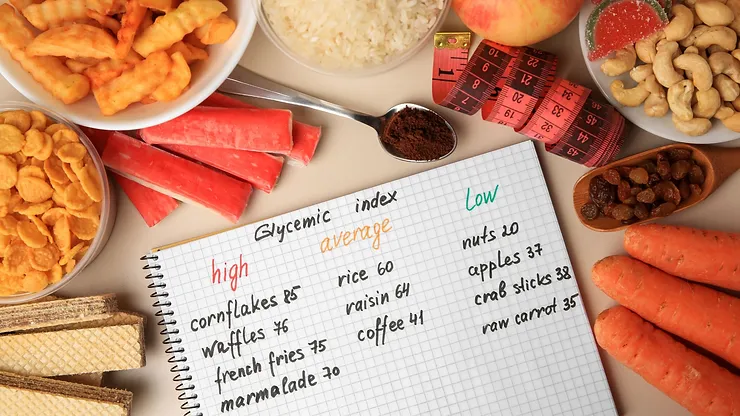
The glycemic index may have caught your attention, and you may have been curious about it. Carbohydrates are ranked according to their immediate impact on blood glucose (blood sugar) levels on the glycemic index. Foods are compared gram for gram in terms of carbohydrates. The glycemic indices of carbohydrates with rapid digestion are the highest. The blood sugar response is immediate and strong. Low glycemic index carbohydrates are those that digest slowly, delivering glucose into the bloodstream gradually.
High glycemic index foods quickly turn into sugar, which has bad bodily impacts. Low-GI foods gradually convert to sugar, helping to keep the chemical equilibrium in your body. Foods with a low index are generally preferred.

Glycemic load gauges how much sugar a food actually causes the body to release. Low glycemic index foods typically have a low glycemic load while maintaining a low glycemic index. Other foods have a high load as well as a high index. High-load foods shouldn’t be a frequent part of your diet.
Check the glycemic index and glycemic load of the foods you choose that contain carbohydrates. These details can be found in many different detailed tables. Start by referring to the chart below.
High Glycemic Index

- Fruits and Vegetables – Corn – Cranberry juice – Orange juice – Raisin
- Starches – Bagel – Bread (white) – Refined cereal – Granola – Muffin – Past – Potato – Pretzel – Rice – Tortilla (flour)
Medium Glycemic Index

- Fruits and Vegetables – Apricot – Grape – Pineapple – Watermelon
- Starches – French Fries – Oatmeal – Pita Bread – Waffle
Low Glycemic Index

- Fruits and Vegetables – Apple – Asparagus – Broccoli – Brussels sprout – Cauliflower – Celery – Cherry – Cucumber – Grapefruit – Green Bean – Green pepper – Kiwi – Lettuce – Onion – Orange – Peach – Plum – Spinach – Strawberry – Tomato – Zucchini
Low glycemic load foods.
The solution isn’t only to eat more fruits and veggies; it’s also important to choose the appropriate ones. Although starchy vegetables like peas or lentils (200–250 calories per cup) are nutritious, you may not need all of those calories. Including low glycemic load vegetables will help you feel fuller if you need to eat more to do so. Asparagus and spinach, for instance, are healthier options than maize and peas, which have more calories. There are just about 90 calories in a cup of spinach with 1/2 cup of tomato sauce, but you get nutrients from two different color groups.
Why not use beige and brown?
Use color as a rule of thumb when choosing which foods to consume in moderation. Despite being healthful, many brown and beige carbs, such as pasta, beans, and potatoes, nevertheless tend to be heavy in calories.