


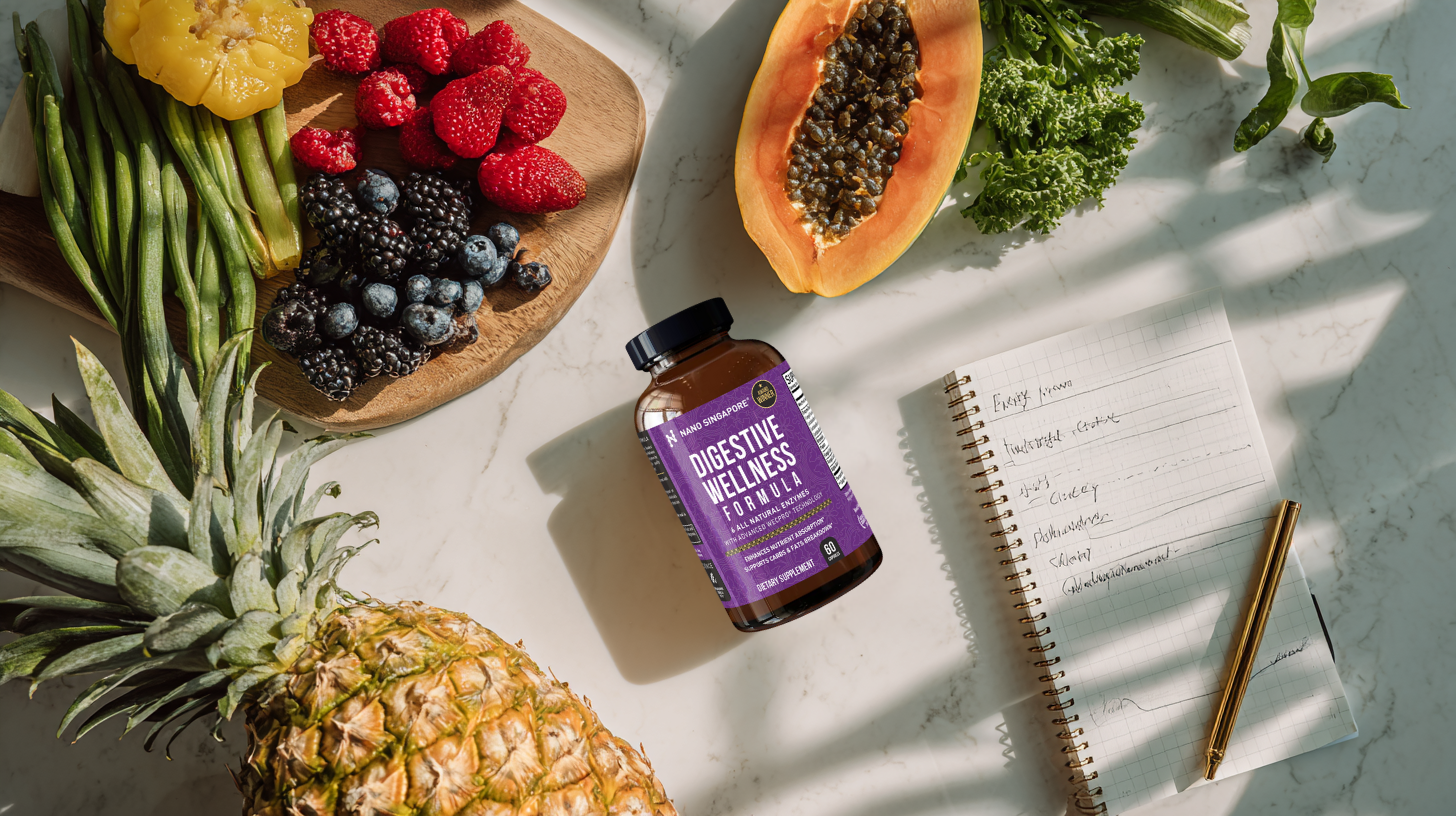
- Digestive enzyme supplements can support better gut health, especially if you struggle with bloating, indigestion, or nutrient absorption.
- Choosing the best digestive enzyme supplement depends on ingredients, your diet, and your specific digestive concerns.
- Always consult a healthcare provider before starting any supplement, especially if you have pre-existing medical conditions.
Introduction
Gut health has become one of the hottest wellness topics of 2025 — and for good reason. Our digestive system doesn’t just affect how we break down food; it impacts our energy, mood, skin, and even immunity. With so much focus on probiotics and gut-friendly diets, you may be wondering: Do I also need digestive enzyme supplements?
If you’ve ever felt sluggish after meals, battled uncomfortable bloating, or noticed your body isn’t absorbing nutrients as it should, then digestive enzymes might be worth exploring. In this guide, we’ll break down what digestive enzymes are, why they matter, how to choose the best digestive enzyme supplement, and where to buy supplements online safely.
What Are Digestive Enzymes?
Digestive enzymes are proteins your body naturally produces to break down food into smaller, absorbable nutrients. Without them, your body would struggle to get the energy and vitamins it needs from what you eat.
Here are the main types of digestive enzymes:
- Amylase – breaks down carbohydrates (think bread, rice, and pasta).
- Protease – breaks down proteins (like chicken, eggs, and beans).
- Lipase – breaks down fats (such as oils, nuts, and avocados).
- Lactase – helps digest lactose from dairy.
- Cellulase – breaks down plant fibers that humans can’t easily digest on their own.
Our bodies usually make these enzymes in the pancreas and small intestine. But sometimes, due to stress, aging, or digestive issues, production slows down. That’s where supplements can help.
Signs You Might Need Digestive Enzyme Support
Not everyone needs extra enzymes, but here are some signs your gut might benefit from them:
- Frequent bloating or gas after meals
- Feeling uncomfortably full even after small portions
- Undigested food appearing in your stool
- Oily or greasy stools (sign of fat malabsorption)
- Chronic indigestion or acid reflux
- Fatigue after eating heavy meals
Of course, these symptoms could also be linked to other health issues. That’s why it’s important to consult a healthcare professional before taking any supplement.
Do Digestive Enzyme Supplements Work?
The short answer: yes, they can — but only when chosen correctly.
Digestive enzyme supplements can fill the gap when your body isn’t making enough naturally. They can:
- Improve digestion of carbs, proteins, and fats
- Reduce uncomfortable bloating and gas
- Support nutrient absorption (important for energy, immunity, and skin health)
- Help people with lactose intolerance enjoy dairy more comfortably
However, not all supplements are created equal. The best digestive enzyme supplement will contain a broad-spectrum blend of enzymes designed to support multiple areas of digestion.

Ingredients to Look for in the Best Digestive Enzyme Supplement
When choosing a supplement, check the ingredient list carefully. Based on expert formulations (such as those found on Nano Singapore’s Digestive Wellness Formula), here’s what to look for:
- Amylase – for carb digestion
- Protease – for protein breakdown
- Lipase – for fat digestion
- Lactase – helpful if you’re sensitive to dairy
- Cellulase – helps with plant fiber digestion
- Papain & Bromelain – natural enzymes from papaya and pineapple that support protein digestion
- Herbal extracts (like ginger or peppermint) – soothe the stomach and aid overall digestive comfort
Choosing a supplement with this kind of comprehensive blend can make digestion smoother and more efficient.
How to Choose the Right Digestive Enzyme Supplement
Here are a few practical tips when shopping for the best digestive enzyme supplement:
- Check the label – Look for a broad spectrum of enzymes, not just one or two.
- Go for quality – Choose supplements made in GMP-certified facilities and tested for purity.
- Read reviews – Customer experiences often reveal how effective a supplement really is.
- Consider your diet – If you eat a lot of dairy, lactase is a must. If you follow a high-protein diet, protease is key.
- Look for added herbs – Ginger, peppermint, or fennel can further reduce bloating and discomfort.
Where to Buy Supplements Online Safely
Searching for the best digestive enzyme supplement online can feel overwhelming. With so many options, how do you know which ones are safe and effective?
Here’s what to keep in mind when you buy supplements online:
- Shop from reputable websites – Avoid random marketplaces where authenticity is questionable.
- Look for transparency – The website should clearly list ingredients, certifications, and testing processes.
- Check for customer reviews – Verified reviews can give you insight into real experiences.
- Watch for red flags – If a product makes unrealistic promises like “lose 10 pounds in a week,” skip it.
Trusted wellness brands, like Nano Singapore, ensure their products are lab-tested, high-quality, and safe for long-term use.
Who Should Be Careful with Digestive Enzymes?
While digestive enzyme supplements are safe for most people, certain groups need extra caution:
- People with chronic digestive disorders (IBS, Crohn’s disease, ulcerative colitis)
- Those with pancreatic conditions
- People with gallbladder removal history
- Anyone pregnant or breastfeeding
- Those on long-term medications
Important: Always talk to your doctor before starting a supplement, especially if you have pre-existing health conditions or are taking other medications.
Lifestyle Habits That Support Gut Health (Beyond Supplements)
Supplements are powerful, but they work best when paired with healthy habits. Here are daily practices that can naturally boost digestion:
- Eat slowly and chew well – gives your body time to release natural enzymes.
- Stay hydrated – water helps break down food and supports enzyme function.
- Reduce stress – stress weakens digestion and enzyme production.
- Incorporate probiotic-rich foods – yogurt, kefir, kimchi, and sauerkraut feed good gut bacteria.
- Exercise regularly – movement keeps the digestive system active.

Conclusion
Digestive enzymes aren’t a magic fix for every digestive issue, but they can make a big difference for people who struggle with bloating, nutrient absorption, or food sensitivities. The best digestive enzyme supplement is one that offers a wide range of enzymes, is tested for safety, and fits your dietary needs.
And when you’re ready to buy supplements online, choose trusted, transparent retailers to ensure you’re getting quality products. Pairing enzymes with good eating habits and lifestyle choices can help you unlock a healthier gut — and a healthier you.
FAQs
1. Can I take digestive enzymes every day?
Yes, many people take them daily with meals. However, consult your doctor to confirm if daily use is right for you.
2. Do digestive enzymes cause side effects?
They are generally safe, but some people may experience mild stomach upset if taken in high doses.
3. Can digestive enzymes help with weight loss?
Not directly. They won’t burn fat, but by improving nutrient absorption, they may help regulate appetite and energy levels.
4. Should I take digestive enzymes with every meal?
It depends on your diet. Many people take them with their largest meals or foods they find hard to digest.
5. Are digestive enzymes the same as probiotics?
No. Enzymes help break down food, while probiotics are live bacteria that balance your gut microbiome. Both support digestion in different ways.
References
- National Institute of Diabetes and Digestive and Kidney Diseases (NIDDK). (2024, December 30). National Institute of Diabetes and Digestive and Kidney Diseases.
- Boncompagni, T. (2012, March 15). Enzymes, once sidelined, try to grab the spotlight. The New York Times.
- Harvard Health. (2023, November 2). Digestive health.
- Lactose intolerance – Symptoms & causes – Mayo Clinic. (2022, March 5). Mayo Clinic.
- Dietary and herbal supplements. (n.d.). NCCIH.